
Allergies are extremely common in the US, with almost one-third of the adult population having some sort of seasonal allergy, food allergy, or eczema. When you look at the numbers, one thing stands out: allergies manifest differently in men and women.
According to the National Center for Health Statistics, women have higher rates of allergies than men. It doesn’t start this way right from childhood, though; boys and girls have seasonal allergies and asthma, but the real change happens at puberty. This is primarily due to hormonal changes during adolescence. By adulthood, women take the lead, with almost 30% of women suffering from some sort of allergy, compared with the 20% of men who do.
Recent global research suggests this gender gap is observed across many countries, though social and environmental factors can influence these numbers.

Why Are Women More Prone To Allergies?
During childhood, boys have higher rates of allergies and asthma due to differences in immune development and airway size. When girls reach puberty, rising estrogen levels shift the balance. Estrogen increases certain immune signals, making women more sensitive to allergens. This stronger immune activation helps protect the body, yet it can also exaggerate responses to harmless substances like pollen or pet dander. Progesterone, another hormone, has mixed effects; it can reduce inflammation in some cases but can also worsen allergic reactions when its levels change rapidly.
Testosterone, which is typically higher in men, can calm certain allergy cells. As a result, men often experience fewer or milder seasonal allergies. Testosterone helps protect against severe allergic reactions by lowering levels of chemicals, such as histamine, produced by allergy cells that can trigger allergy symptoms.
How Allergy Transitions At Different Stages In Life
Hormones play such a central role in a woman’s life, especially as she transitions through puberty, pregnancy, and menopause. If you want to manage your allergies better, then it’s important to first understand how hormones interact with the immune system.
Puberty
Boys are more likely to have allergies before puberty, but this changes once girls reach adolescence. Since estrogen is closely linked to the immune system, where rising estrogen levels strengthen the immune system responses, this can make girls more sensitive to allergies.
Menstrual Cycles
During the menstrual cycle, progesterone and estrogen levels fluctuate, worsening allergic symptoms at certain times. Many women experience increased sensitivity to allergens during certain phases, leading to strong reactions such as skin irritation, sneezing, and congestion.
Pregnancy
There is a rather complex relationship between pregnancy and allergies. This is because the prenatal period brings many changes to the immune system. While some women experience relief from allergies, thanks to the body’s temporary immunosuppressive state, other women experience worsened symptoms due to the fluctuating estrogen levels.
Menopause
After menopause, estrogen levels decline. This causes the immune system to go through changes that can alter the severity of allergies. Some women develop new allergies, and other women may experience aggravated allergic reactions, especially in conditions like allergic rhinitis.
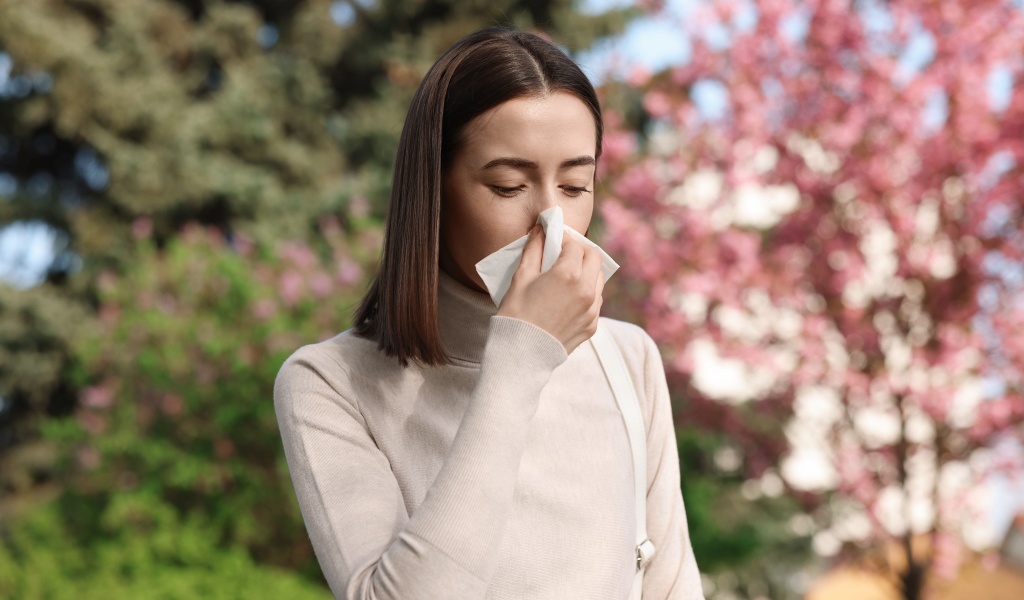
Effective Ways To Treat Allergies In Women
Here’s the thing: sex plays a huge role in how allergies play out, but there aren’t any sex-specific allergy medications. But having a thorough understanding of how hormones can affect allergies is important, particularly if a woman is pregnant. This is because the safety of medication administered to a pregnant woman is a crucial matter of concern.
Get Allergy Medications
Seasonal allergies are easily treatable, and the key is to start early and time your medications. For example, nasal steroid sprays and antihistamines are best when you use them before your season starts and not after your symptoms show up.
Remain vigilant for periods when allergens peak, such as tree pollen season, which typically begins early in the year in parts of the US and may persist into summer. Mold allergies can be triggered year-round, but they can be more severe outdoors in the fall.
Maintain A Symptoms Journal
Maintaining a symptom journal throughout hormonal cycles enables you to identify patterns to discuss with your healthcare provider. This can help you notice whether certain times of the month, such as before your period, are associated with worse symptoms.
Get Tested
If you are unsure about what triggers your allergic symptoms, then get tested. When you know what you are allergic to, you can avoid those substances. For example, if you are allergic to dust mites, then you can get yourself an allergy-proof pillow protector or an efficient air purifier. Knowing what your triggers are is the only way you can avoid getting yourself into any situation that will expose you to an allergic reaction.
Get Allergy Shots If Necessary
Dealing with allergies is no fun, so if you want to get allergy shots for seasonal allergies, then go ahead. This is the only form of treatment that addresses the underlying condition instead of masking the symptoms. Moreover, these are effective and safe for women.
Take Care Of Yourself
Sometimes, relying too much on medication or doctors will make you lack in taking care of yourself. Remember, self-care is extremely important, and if you have any allergies, you don’t have to suffer in silence. If your symptoms are affecting your work, sleep, or quality of life, then address them with your doctor immediately.
When to Seek Medical Help
If you experience symptoms such as difficulty breathing, swelling of the face or throat, dizziness, or a sudden drop in blood pressure after exposure to an allergen, seek emergency medical care right away. Severe allergic reactions can be life-threatening.
Final Thoughts
If seasonal allergies are part of your life, you know how tiring they can be. One moment, you are perfectly fine, and the next second, you’re sneezing incessantly, having clogged sinuses, or tugging away at your itchy skin. What makes it worse is when these symptoms linger and cause discomfort and aggravated symptoms.
Allergies can range from mild sensitivities to life-threatening reactions, such as anaphylaxis. Both men and women are affected, but women generally experience more severe reactions and are more prone to asthma, allergies, and anaphylaxis. Men are more likely to develop allergies in early childhood but often outgrow them.
Practitioners are now trying to understand the gender gap in allergic diseases and responses to administer the most effective treatment protocols. Raising awareness of this improves the likelihood that men and women receive gender-specific care, as allergies manifest differently in men and women.