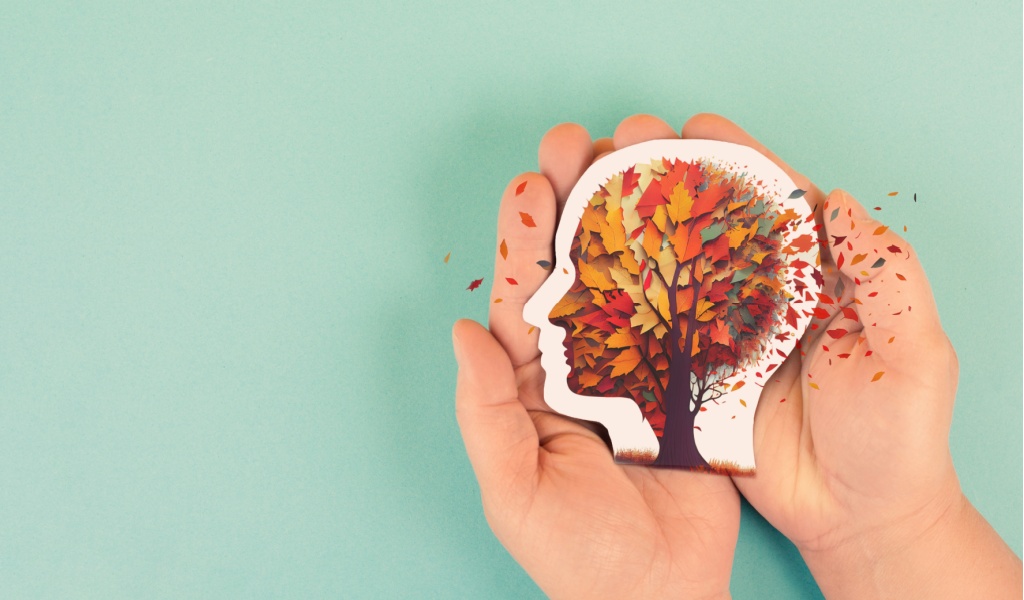
We are well aware that vitamins are extremely important for our bodies, but what if their effects go beyond the physical? Vitamin D is not just a nutrient—it is a hormone with receptors in almost every cell and tissue in the body. In fact, about 3% of the human genome is regulated by the Vitamin C endocrine system, which affects more than 1,000 genes. Vitamin D has a wide impact on our overall health; it not only supports physical and immune system function but also plays a pivotal role in mental health.
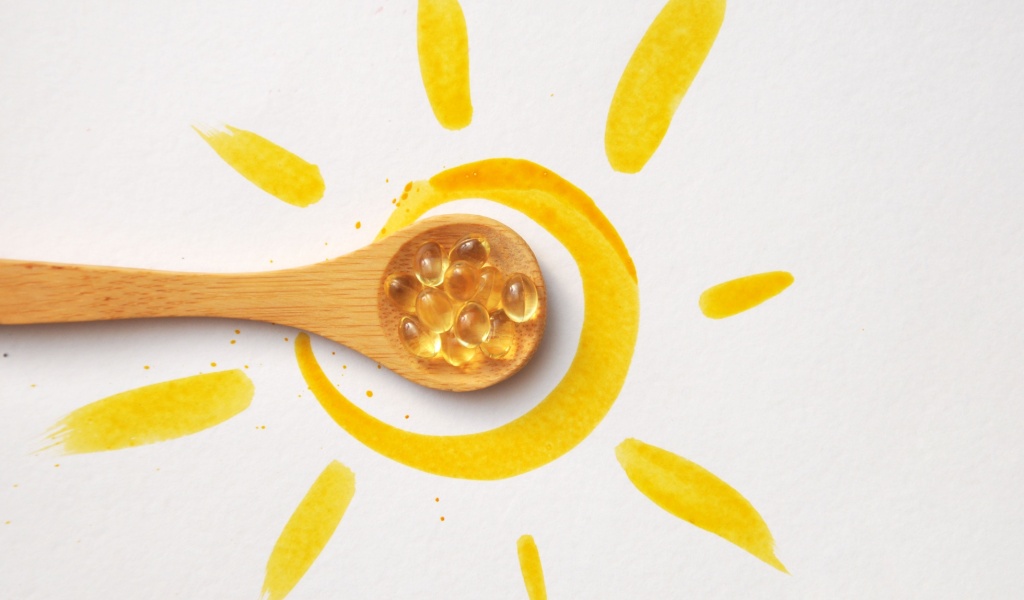
Scientific evidence supports this, too, and there is a strong correlation between Vitamin D and mental health issues such as anxiety and depression across all age groups. Vitamin D deficiency not only impacts mood, but it can also aggravate psychiatric symptoms in people who have depression and bipolar disorder.
We get Vitamin D primarily from sun exposure, and if you don’t get enough of it, there is a possibility of being at a higher risk of experiencing depression. There are Vitamin D receptors in the muscles, immune system, heart, and brain. It is transported to the kidneys and liver, where it is transformed into an active hormone that helps the body to absorb calcium. Vitamin D serves numerous functions—it strengthens the immune system, promotes cell development, and keeps the bones strong and healthy.
If you don’t get the required intake of Vitamin D, your body will start experiencing symptoms that include weakness, muscle pain, fatigue, aching bones, forgetfulness, anxiety, loss of appetite, trouble falling asleep, mood swings, overwhelming feelings of sadness, suicidal thoughts, and a loss of interest in activities you enjoyed in the past.
Can Vitamin D Deficiency Cause Depression?
Depression is a mood disorder that affects daily life. Symptoms include sadness, hopelessness, loss of interest, restlessness, fatigue, worthlessness, poor concentration, appetite or weight changes, sleep issues, physical pain, and thoughts of suicide.
- Anxiety and sadness
- Feelings of hopelessness
- No pleasure or interest in hobbies or activities
- Restlessness and frustration
- Loss of energy and overwhelming fatigue
- Feelings of being worthless and helpless
- Inability to concentrate and make decisions
- Changes in appetite and weight
- Unhealthy sleep patterns
- Physical pains like cramps, headaches, and digestive issues
- Thoughts of suicide and death
Depression varies from person to person, and if you or someone you love is showing any signs, don’t hesitate to reach out to help or support facilities in your area.
Vitamin D deficiency is relatively common, affecting about 35% of U.S. adults. It is linked to diabetes, cardiovascular disease, cancer, autoimmune diseases, multiple sclerosis, and depression. Although researchers continue to explore this subject, there is no denying that Vitamin D plays a role in mental health.
Some theories suggest how a Vitamin D deficiency can be connected with depression. Firstly, Vitamin D binds to some brain receptors and can influence emotional processing. Naturally, a deficiency in Vitamin D can interfere with this process. Secondly, a Vitamin D deficiency can disrupt the production of serotonin, which is a chemical that regulates mood. Thirdly, Vitamin D can help regulate inflammation; a deficiency can increase it, which in turn can contribute to the development of depression.
Symptoms of clinical depression are primarily social isolation and withdrawal. People who suffer from depression usually spend less time outside, and they don’t get the much-needed exposure to the sun to process sufficient Vitamin D. Moreover, people who suffer from depression don’t want to get involved in outdoor activities and prefer staying in bed all day. This social isolation only aggravates the symptoms, making it all the more important for people who suffer from depression to spend more time outdoors.
Likewise, when a person experiences anxiety, depression, or other mental health issues, they will neglect self-care. They may not eat well or get Vitamin D supplements. Depression interferes with their thought process and behavioral patterns, and this makes them engage in activities that worsen Vitamin D deficiency.

How To Treat Vitamin D Deficiency?
To address Vitamin D deficiency, increase sun exposure, eat foods fortified with Vitamin D, or take supplements.
Vitamin D needs vary based on individual health, age, and skin color. If you have depression symptoms and low Vitamin D, talk to your healthcare provider. A blood test can help determine if supplementation is necessary.
Final Thoughts
There is no denying that Vitamin D is as important for mental health as it is for physical health. There are plenty of studies that indicate a lack of Vitamin D is related to depression-like symptoms and how people experience improvements in their symptoms after taking Vitamin D supplements.
At the end of the day, Vitamins are vital for health, so make sure that you include Vitamin D-rich food in your daily diet and get adequate sun exposure. Sunlight plays an important role in regulating serotonin production, a neurotransmitter that contributes to feelings of happiness. When you don’t get sufficient sun exposure, it can cause lower serotonin levels and even trigger symptoms of depression.