
For years, people believed that aging was all about counting birthdays. The older you get, the older your body gets too. However, modern science thinks differently. Two 35-year-olds can have very different biological ages. While one individual’s body may function like that of a healthy 30-year-old, another’s may show signs of considerably greater age.
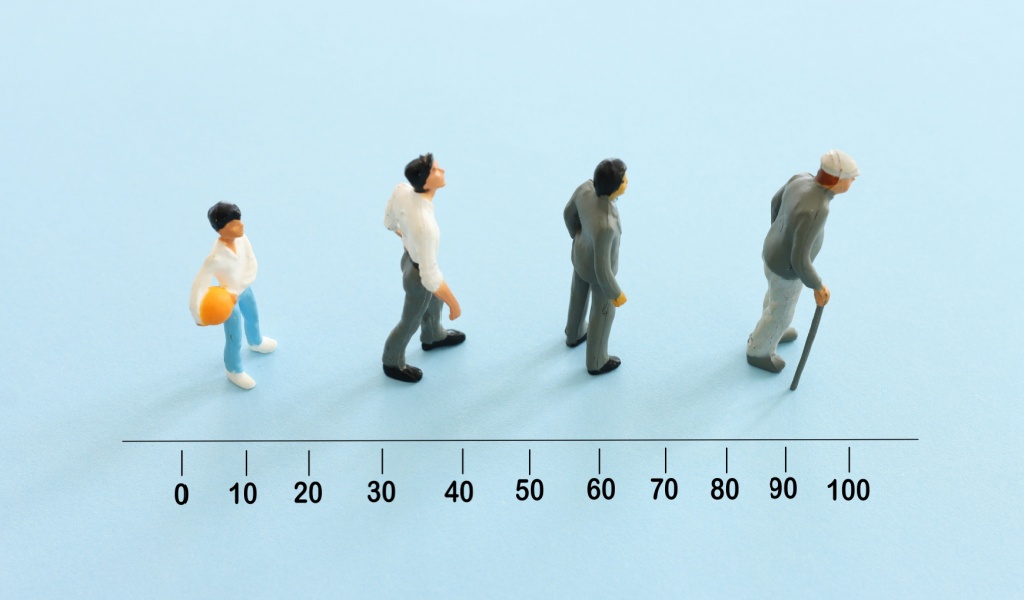
According to research, younger generations appear to be aging faster internally than older generations did at the same age. This faster biological aging may be related to the rising number of young adults being diagnosed with cancer.
Although scientists are still trying to understand its cause, the findings highlight the importance of early prevention and healthy living.
Biological Aging: What Is It?
Most people are aware of their chronological age. It refers to how long they have been alive. However, biological age is different. It measures the health and strength of the body’s organs, cells, and tissues.
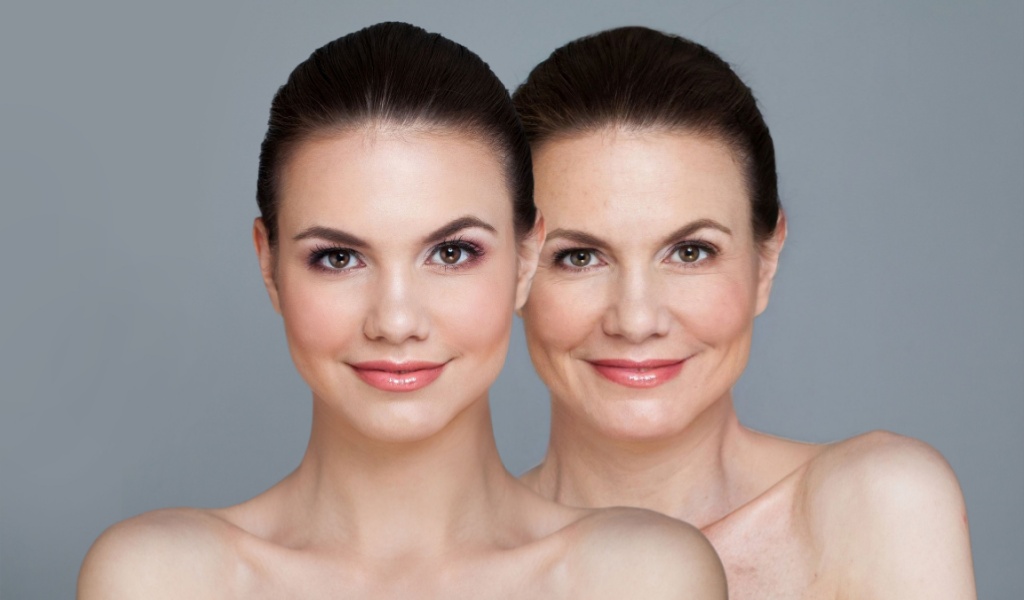
Your actual age can be different from your biological age. Healthy habits such as a balanced diet, restful sleep, regular exercise, and quitting smoking can slow biological aging. An unhealthy diet, poor lifestyle choices, stress, and pollution can accelerate the body’s aging.
Scientists use different blood and bodily indicators to measure biological aging. These indicators help show the extent of the body’s deterioration over time.
What Did Researchers Learn?
A large international research study examined health data from over 150,000 adults. By comparing different generations, the researchers discovered that those born in more recent decades generally showed signs of biological aging more quickly than those born many years earlier.
The study also found that people with higher biological ages had a higher risk of developing certain cancers before turning 55. An 8% increased risk of early-onset solid cancers was linked with every rise in biological aging.
This does not imply that everyone who ages faster may get cancer. It implies that faster aging may be part of a larger problem. Scientists believe biological aging could be a significant warning that helps identify individuals who need frequent health monitoring.
Reasons for Increased Cancer in Young Adults
Historically, cancer has affected mostly older adults. However, doctors worldwide have observed an alarming rise in cancers among younger individuals.
Currently, breast cancer, colorectal cancer, uterine cancer, stomach cancer, and several other cancers are rising in adults under 50. Even though survival rates have increased due to early diagnosis and improved treatments, the growing number of younger patients remains a major concern.
According to researchers, many factors can contribute to this trend. Genetics play a role, but genes are not enough to explain such a sharp rise across several generations. Experts believe a mix of lifestyle, biological changes, and environmental exposure may be affecting cancer risk.
Unhealthy Diet
Modern diets mostly contain high amounts of sugary drinks, processed foods, and refined carbs. These foods may damage cells, increase inflammation, and accelerate biological aging. Consuming plenty of fruits, vegetables, whole grains, lean proteins, and healthy fats helps supply nutrients that can shield our cells from damage.
Absence of Exercise
Many people spend hours using their smartphones, computers, or sitting at desks. Over time, physical inactivity can lead to diabetes, obesity, heart disease, and faster aging. Simple activities like walking, gardening, and cycling can lower inflammation and improve overall health.
Poor Sleep
Proper sleep can repair damaged cells in the body. Eventually, chronic sleep deprivation can weaken your immune system, disrupt hormone balance, and accelerate aging. Generally, an adult requires seven to nine hours of quality sleep every day for good health.
Stress
Long-term stress can disturb both your mind and body. It raises stress hormones, which may damage tissues over time. Chronic stress can also change your eating habits, sleep, and physical activity, creating a lifestyle that further harms health.
For long-term protection, practice healthy ways to manage stress, such as spending time with loved ones, exercising, meditating, or pursuing hobbies.
Environmental Contamination
Many environmental toxins, such as air pollution, plastics, chemicals, and other substances, were seemingly less common in previous generations but are more prevalent today.
Scientists are still investigating how such exposures affect cancer risk and biological aging, but they are considered possible contributors.
Each Organ May Age at Different Speeds
According to research, not all body parts age equally. The study found that faster aging of the immune system was linked with a higher risk of early-onset lung cancer. Faster fat tissue aging was also associated with a higher risk of colorectal cancer.
This suggests that various organs may react differently to aging, and recognizing these patterns could help doctors identify people at higher risk sooner.
Can Aging Faster Be Slowed Down?
Fortunately, biological aging is not completely fixed. Even though no one can stop growing old, healthy habits may slow the aging process.
Doctors advise eating a balanced diet, maintaining a healthy weight, exercising regularly, getting enough sleep, managing stress, avoiding tobacco products, limiting alcohol, and attending regular medical checkups.
In addition to improving your overall well-being, these habits may also lower the risk of cancer and many other chronic diseases.
Why Early Detection Is Important
Early detection of many cancers makes treatment easier. Unfortunately, younger adults at times ignore symptoms, believing they are too young to develop serious illnesses.
Do not disregard persistent coughs, unexplained weight loss, persistent stomach pain, unusual bleeding, changes in bowel habits, or unexplained lumps. Instead of waiting for symptoms to disappear, anyone experiencing unusual symptoms should seek medical advice.
Researchers also hope that future biological aging tests may help doctors identify people who would benefit from early cancer screening.
Further Study Is Still Needed
Scientists show a strong association between faster biological aging and higher cancer risk. However, many questions remain unanswered. Researchers still need to identify the exact reasons why younger generations age rapidly and the factors that have the greatest impact.
A Reminder to Care for Your Health
Little daily choices often have long-term effects. To protect your body over time, choose healthier meals, exercise regularly, get enough sleep, reduce stress, and avoid harmful behaviors.
Even though researchers continue to find the causes of early-onset cancer, one thing is certain: taking good care of our bodies today may help reduce health risks tomorrow. Certainly, healthy aging is not all about living longer. It is about living better, staying stronger, and giving the body the best chance to remain healthy throughout life.