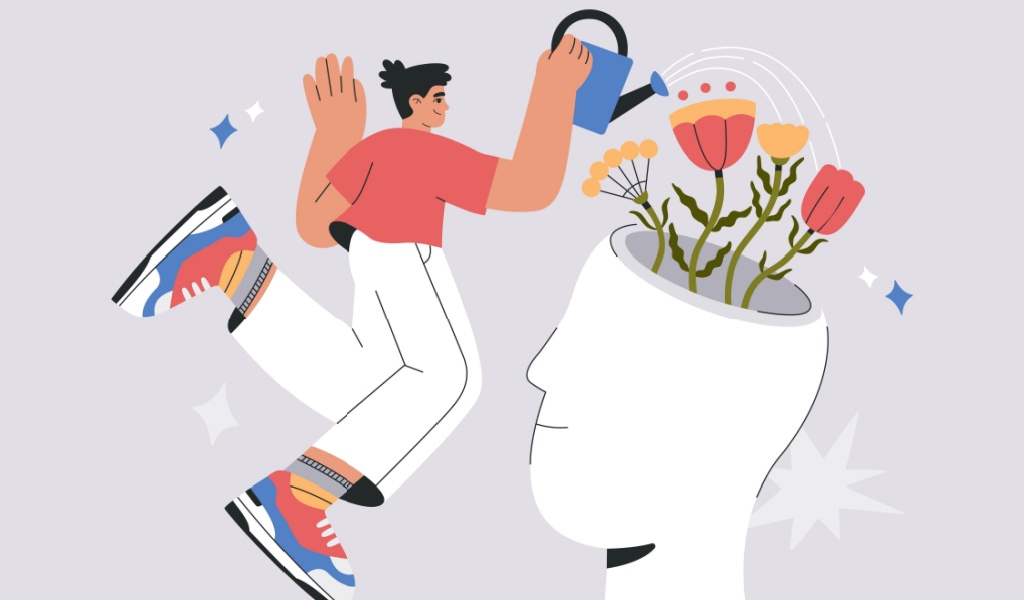
As Mental Health Awareness Month approaches, it is crucial to confront persistent stigma and misinformation surrounding mental health and psychotherapy. Despite greater awareness, myths still keep many from seeking help. In fact, a survey by the American Psychological Association found that nearly 40% of people who need therapy do not seek it due to misconceptions and stigma.

Public education about mental health is essential, particularly when addressing myths that discourage people from seeking help. Not only can therapy prevent severe outcomes such as suicide, but it also supports emotional well-being, manages stress, and helps individuals gain clarity in everyday life for a broad range of individuals.
To address these misconceptions, it is important to challenge some of the most common myths. Recognizing and debunking these beliefs can help normalize therapy, reduce stigma, and emphasize the importance of timely support for overall well-being.
Therapy Is Only For People With Severe Mental Illness
This misconception is common, but people seek therapy for a wide variety of reasons, such as anxiety, depression, life transitions, and personal growth. This myth can deter individuals from seeking help early, potentially worsening issues over time. Therapy is a versatile tool that addresses challenges from stress and grief to personal development and self-understanding.
Just as we visit a doctor for regular check-ups, therapy also acts as a preventive measure to maintain and improve mental well-being before issues escalate. If life feels confusing and stressful, talking to someone about your concerns can help you relax. Therapy is not just for those who are mentally ill; it supports anyone seeking mental wellness.
People Who Go To Therapy Are Weak
This is simply untrue. Seeking therapy is often a sign of strength, self-awareness, and resourcefulness. Many individuals in therapy are dealing with everyday challenges such as stress, self-doubt, confidence issues, or work-life balance. In fact, those who seek help are often more proactive about their mental health than those who avoid it due to stigma.
As research professor and bestselling author, Dr. Brené Brown writes: “Vulnerability sounds like truth and feels like courage. Truth and courage aren’t always comfortable, but they’re never weakness.” Choosing to open up in therapy is an act of courage, not a sign of failure.
Therapy Involves Lying On A Couch While The Therapist Takes Notes
This stereotype rarely reflects reality. Instead, most therapy sessions are conversational and held in comfortable, welcoming settings. Therapy feels more like talking in a friendly environment than being in a clinical space, and therapists prioritize building a safe, trusting relationship by engaging directly rather than creating distance through constant note-taking.
As Brighter Tomorrow Counseling explains, “the connection between therapist and client is built on trust, empathy, and confidentiality” — a far cry from the cold, clinical image many people imagine.
Therapy Is Too Expensive
While cost can be a barrier for some, therapy is available across a wide range of price points. Many clinics offer affordable options, including sliding-scale fees based on income, and online therapy platforms have made access easier than ever. Insurance coverage, FSA/HSA accounts, and community mental health centers are also worth exploring.
When viewed as an investment in your mental health and overall quality of life, therapy can be incredibly valuable. As one mental health resource puts it, “not getting therapy is even more expensive; it robs someone of the life he or she could be leading.”
Only Someone Who Has Experienced The Same Problem Can Help You
It is a common belief that someone must have gone through the exact same situation to understand it. Therapists, however, are trained professionals who use their expertise in human behavior, emotional processes, and evidence-based techniques to help clients. Their role is to empathize, create a safe space, and use proven methods to support those with a wide range of concerns, regardless of whether they have had identical experiences.

You Should Be Able To Fix My Problems On Your Own
Many people equate independence with handling all challenges alone, but the key takeaway is that seeking help is a strength, not a weakness. Consulting a professional, such as a therapist for emotional concerns, is just as important and wise as seeing a doctor for physical health. Therapy helps you identify emotional or behavioural patterns and supports healthier coping.
Therapists Just Listen, So Why Pay For That?
Therapists do more than just listen. Their role is to guide you through understanding your thoughts, emotions, and behaviours using their training in therapeutic techniques. Together, you work collaboratively to set goals, develop coping strategies, and make positive changes. When life gets tough—in relationships, work, or studies—you benefit from both the therapist’s expertise and their support.
Therapy combines introspection, practical tools, and active approaches. Mental health professionals help you apply what you learn through real-life exercises, making the process results-driven.
Therapy Lasts Forever Once You Start
Therapy is not meant to be a lifelong commitment unless you choose it to be. The duration varies depending on individual needs and goals. Most therapists can provide effective short-term therapy, which generally lasts 8-20 sessions and focuses on specific problems and goals. Longer-term therapy is also an option for those who want to explore deeper patterns.
The aim is to help you build resilience and self-reliance over time. You decide how long to stay in therapy; it’s normal to stop and return as circumstances change.
You Should See Results Immediately
Healing takes time. Especially in the beginning, it may feel unclear what to talk about or how the process works. It is completely normal to take time to open up, make sense of your thoughts, and identify areas you want to work on.
While TV and film often show characters being “fixed” in a session or two, that is not how real therapy works. To get to the heart of a problem, psychotherapy takes many sessions over time. This is not a flaw in the process — it is the process working as it should. Growth is gradual, and patience is an important part of the journey.
In Conclusion
Therapy is not a sign of weakness; it is a proactive step toward understanding yourself and achieving a healthier, more balanced life. As mental health professionals consistently emphasize, seeking help is one of the most courageous and self-aware things a person can do.
Therapy promotes self-awareness, dispels harmful misconceptions, and reinforces that mental health care is just as vital as physical health. Breaking these misconceptions can encourage more people to seek support when they need it most.
If you or someone you love is considering therapy, know that the first step is often the hardest — but it is also the most important. You do not have to be in crisis to benefit. You simply have to be willing to show up.