
Most of us routinely slip into a “do nothing” ritual. Maybe it’s binge-watching your favorite series, endlessly scrolling social media, or zoning out on random videos after a long day. It feels harmless, even necessary. But what if these passive habits are quietly harming your brain?
A new study suggests that how you spend idle time is as important as how much you have, and not all sitting is harmful.
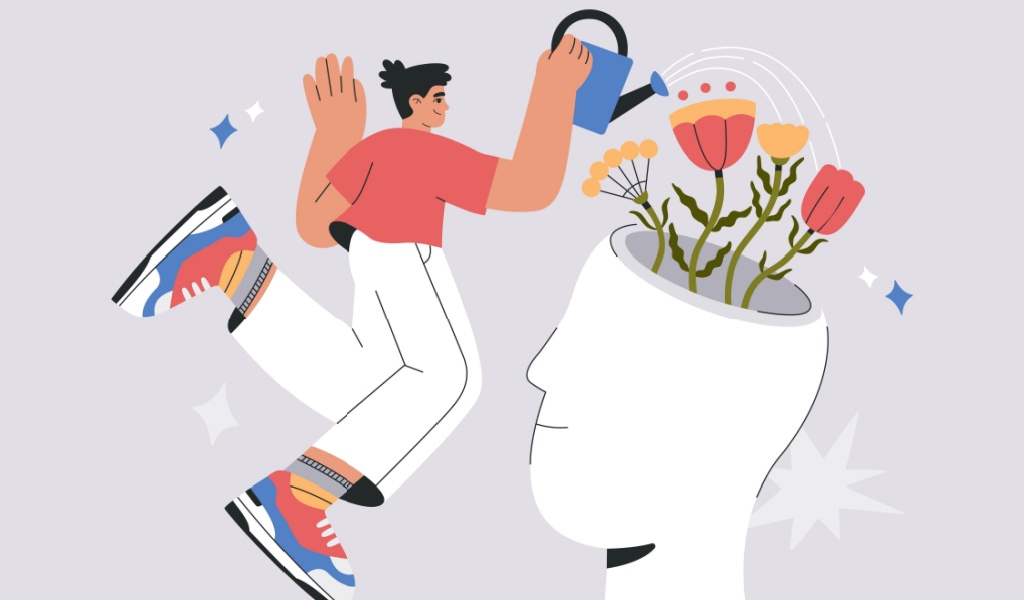
Discovery of The New Study
Scientists have distinguished between two types of sedentary behavior, according to new research that has been highlighted by CNN and NBC News:
- Mentally active (reading, writing, puzzles, engaging work).
- Mentally passive (scrolling on your phone, watching TV).
The difference? One stimulates the brain. The other one lets it coast.
The study, which observed more than 20,000 adults for almost 20 years, discovered that individuals who engaged in more mentally passive activities faced a higher risk of developing dementia later in life.
Cognitive decline, including memory loss, difficulty thinking, and decision-making difficulties, was less common among individuals who kept their minds engaged, even when seated.
Why Passive Habits Can Be Dangerous
Your brain is continuously adapting to how you use it. Activities that involve concentration, problem-solving, or learning help support neural pathways—the connections that promote memory and thinking.
On the other hand, passive activities don’t need much from your brain. Eventually, that lack of stimulation may lead to weaker cognitive resilience.
According to researchers, this is due to several factors:
- Less mental stimulation: fewer strengthened brain connections.
- Habit cycles: passive habits typically replace more stimulating ones.
- Longer uninterrupted sitting: Reduced blood flow and overall physical activity.
In short, your brain loves challenges. Without challenges, things may dull quickly.
The Swap Effect: Small Changes Can Make a Big Difference
The good news is that you can make a big difference without completely changing your lifestyle. According to the study:
- The risk of dementia decreased by about 4% with just 1 hour of mentally stimulating activity per day.
- Swapping 1 hour of passive time for active engagement reduced risk by 7%.
For something as simple as switching from Netflix to a book or even a puzzle, that’s a big payoff.
Consider it a “brain upgrade” that takes up the same amount of time you already have.
Cognitive Reserve and Its Function
Cognitive reserve is your brain’s ability to adapt and continue to function even as it ages. Mentally stimulating activities help improve this reserve with time.
The more you engage in brain-stimulating activities:
- The more resilient it gets.
- The longer it might take for dementia symptoms to show.
- The more it can compensate for aging or damage.
That’s why mentally active individuals frequently maintain clearer memory, better thinking skills, and more independence as they age, even when there are physical signs of brain aging.
Sit Smarter
Sitting isn’t the problem. Research challenges the long-held notion that all sedentary behavior is harmful, suggesting that what your brain does while seated matters more.
For instance:
| Mentally Passive | Mentally Active |
| Browsing social media | Learning a new language |
| Playing mindless games | Playing strategy-based games |
| Watching TV | Reading a book |
| Watching YouTube | Solving puzzles |
Same posture. Totally different effect on the brain.

Why This Is More Important as You Get Older
Fascinatingly, the research found that the benefits of mentally active behavior were even stronger in older adults.
Reason?
One theory: Younger people get more cognitive stimulation from work, education, and daily obligations. As people retire or slow down, passive habits can take over—potentially speeding cognitive decline.
The Combination of Mental Activity and Exercise
This research shows a strong association, not direct causation. Researchers note that people with better brain health may choose more stimulating activities.
Still, the evidence aligns with an increasing number of studies demonstrating that lifestyle choices influence brain health.
And mental activity is most effective when paired with:
- Exercise
- Adequate sleep and a balanced diet
- Social interaction
People who combined mental engagement and regular exercise saw the most benefit.
The Bigger Picture
We live in a world built for convenience—where entertainment is instant, infinite, and effortless. But your brain wasn’t designed for autopilot mode all the time.
This study encourages us to reconsider how we relax. It’s not about cutting downtime; it’s about making downtime count. Over time, small daily choices—what you watch, read, think, and do—may subtly shape your brain’s future.
Daily Strategies That Boost Your Mind
The good news? Even small, fun changes can make a big difference:
- Read a few pages of a book instead of watching another movie.
- Learn a new hobby, such as drawing, cooking, or dancing.
- Do crosswords, Sudoku, puzzles, or try brain-training apps.
- Listen actively, such as learning the lyrics of a song or a new language.
- Have deeper discussions rather than passive scrolling.
Let’s Defeat Dementia
Next time you pick up your phone to scroll mindlessly, pause for a second and ask: Is this feeding my brain—or just filling time?
You don’t have to quit your favorite series or guilty pleasures. But commit to balancing them with activities that challenge and spark curiosity. Decide today to incorporate brain-boosting habits—your brain and future self will thank you for making this intentional choice.