
Homes are more than just places to live; they’re sanctuaries where we unwind, relax, and be ourselves. In today’s fast-paced world, there is greater awareness of physical and mental health, which means creating your own little wellness space at home is a necessity.
If you are on a journey to reshape your mindset, indulge in self-care routines, and cultivate a deeper sense of peace and clarity, you will benefit from creating your own wellness sanctuary at home.
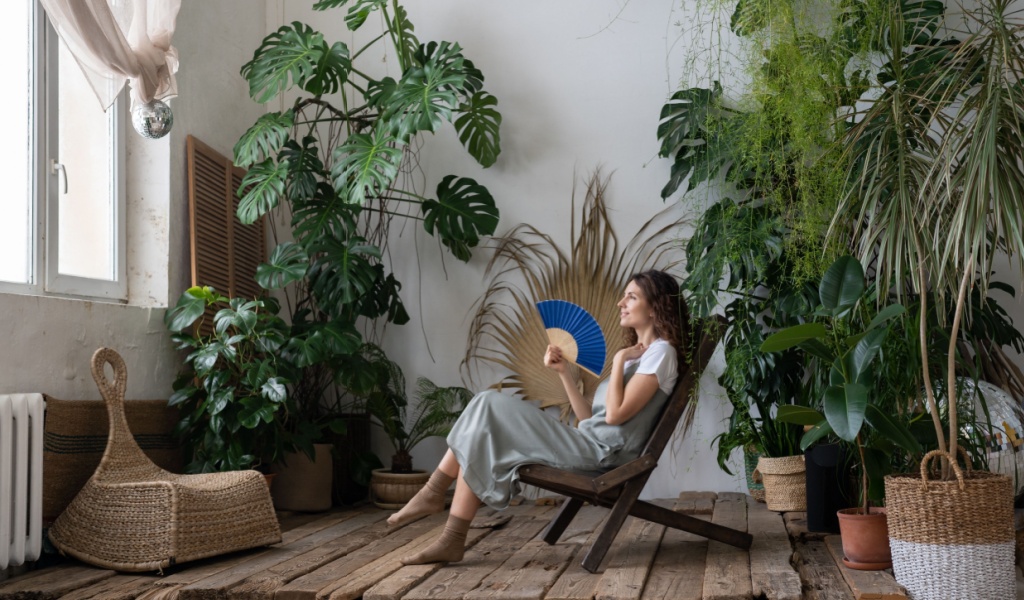
But does the physical space really matter in wellness? Well, it does significantly. Of course, wellness is an internal journey, but the environment around you plays a key role in shaping your emotional and mental state. Being in a chaotic or cluttered space can make you feel stressed out, while a peaceful little corner can help you stay focused.
When we talk about creating a wellness sanctuary at home, it doesn’t necessarily have to be lavish. In fact, even a small corner would do. It should be a dedicated wellness space where your mind immediately finds calm, relaxation, and a sense of movement as you enter.
A well-designed wellness space can influence your subconscious and encourage deeper breathing, better posture, and a more mindful approach. Wellness interior design focuses on crafting spaces that support physical, mental, and emotional well-being through materials, lighting, and layout.
Declutter Your Space
Simplicity lies at the core of wellness. Take some time to declutter your space and let go of anything that no longer serves you. Your wellness sanctuary should serve as a place of rest, not a source of distraction. Having a tidy space can help you stay focused and relaxed.
Choose The Ideal Spot
Whether you’re planning on dedicating an entire room or a small corner of your balcony, you should ensure that it serves the purpose in the best possible way. For example, ensure that the space has plenty of natural light. Sunlight is a natural mood enhancer, and when your wellness space receives enough sunlight, it can boost your energy levels and help regulate your circadian rhythm.
A well-ventilated space is a must, too. With fresh air circulation, the ambiance stays clean and fresh. Your wellness sanctuary should be a quiet corner, so ensure the space you choose is far from household noise, traffic, and other sounds that can disrupt a peaceful ambiance.
Opt For Natural Elements
Rather than using synthetic materials, make sure your space is surrounded by textiles made from natural fibers such as organic cotton, hemp, and bamboo. Not only do these materials feel more gentle on the skin, but they also align better with mindful consumption. From loungewear and bedding to towels and curtains, choose nature-based materials to elevate your wellness sanctuary.
You can also add nature-inspired elements to enhance the sense of peace in your space. For example, having indoor plants like snake plants or peace lilies can add beauty and also purify the air. If you like the sound of water, you can have a small tabletop water fountain for a truly soothing wellness experience.
Have Some Personalized Decor
Your wellness space should reflect your inspiration and personality. You can have a vision board with your goals, meaningful artwork, motivational quotes, or a little altar with objects that hold significance. Whether this is a personal artifact or objects that hold spiritual significance like incense or crystals, the goal is to adorn your space in a way that is personal to you.
Focus On Sound And Aromatherapy
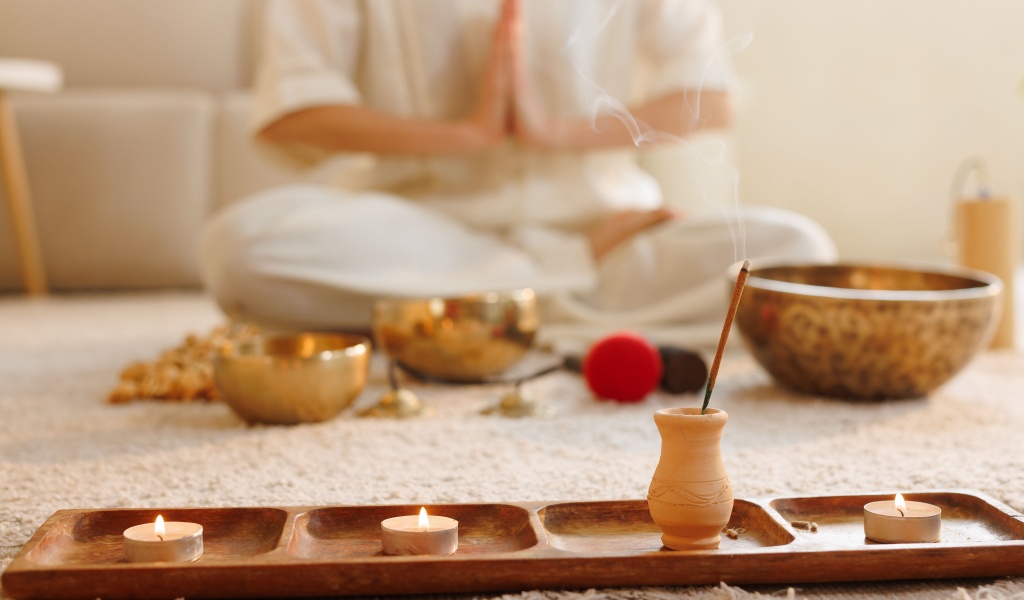
Did you know that sound and scent can set the most powerful tone for focus and relaxation? A wellness sanctuary should always include elements like essential oils, such as lavender or sandalwood. Playing calming instrumental music, using a sound machine, or playing Tibetan singing bowls can help you achieve deep relaxation.
How To Integrate Wellness Practices?
- Use your wellness sanctuary for meditation and mindfulness to center yourself. This includes exercises such as deep breathing, meditation, and mindfulness.
- Your space should invite movement and flexibility. Whether this is through basic stretching, yoga, or Pilates, the goal is to inspire action.
- Keep a gratitude journal to note your intentions, thoughts, and reflections.
- Your wellness sanctuary should be a no-screen zone dedicated to self-improvement activities such as reading, exercising, and more. Let it serve as a digital detox session.
Setting up a wellness space is one thing, but maintaining its energy is more important. Make sure you declutter frequently so the area stays neat and organized. Every once in a while, change up the decor, music, scents, and other elements to refresh the experience. Remember, the stronger your association with your wellness sanctuary is, the more it will reinforce your entire wellness journey, so ensure that you use the space consistently.
Final Thoughts
Creating a wellness sanctuary at home is not about grandeur; rather, it’s all about intention. Let it be a dedicated space that gently reminds you to breathe, slow down, and prioritize yourself. Let these moments be a soothing descent into solitude. Dedicate a specific time to dim the lights, set aside your devices, and embrace the rituals that invite calm. When your wellness sanctuary is thoughtfully designed, comfort becomes an intentional indulgence and a treasured transition from chaos to peace.