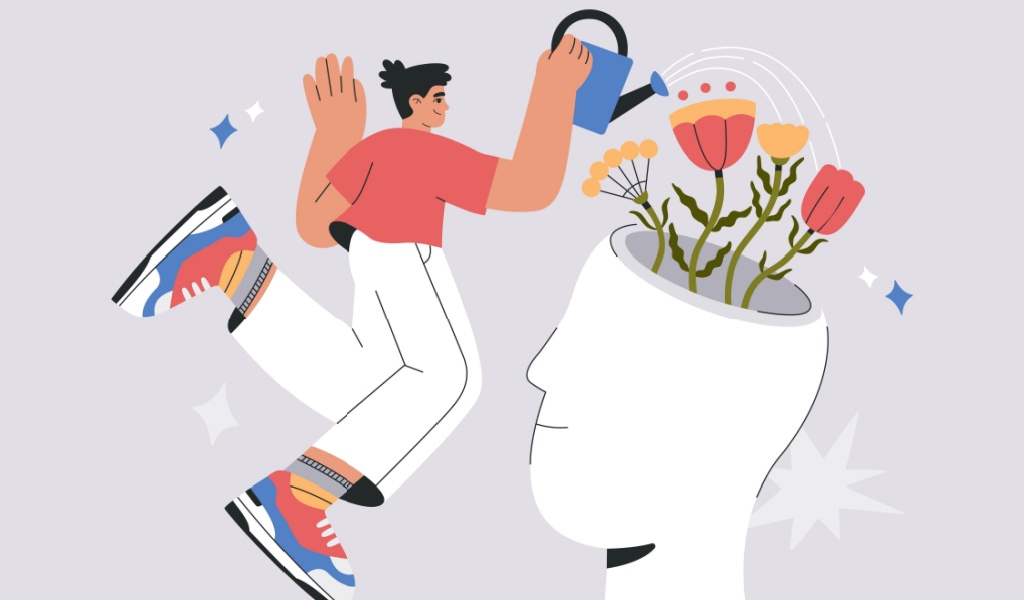
We’ve all probably been there: You settle into a regular workout routine, then life throws a curveball, and getting back on track feels overwhelming. If you have lost your motivation to work out, don’t give up—you’re not alone.

Finding that a workout you once enjoyed is no longer enjoyable is more than just one bad day; it means your heart is no longer in it. Losing that passion can be intensely challenging, but needing a change or break from routine is completely normal. Ask yourself these questions:
Do You Need A New Approach?
If you have been following the same workout at the same time of day for a prolonged period, it’s not surprising if you start losing passion for it. For example, if you go on a run after work every day, switch it up a bit by doing it at sunrise rather than sunset for a change in routine and setting. Likewise, if you have been working out at home, you might want to join a group fitness class.
You’d be surprised at how it can change your outlook. Plus, when you’re surrounded by other people who have the same passion for working out, it can motivate you as well. If that kind of change sounds right for you, consider whether a new approach could help.
Are You Getting Sufficient Rest?
Rest and recovery are a crucial aspect of working out. If you don’t get enough sleep, you may struggle to feel motivated. So if you don’t find exercising exciting anymore, maybe it’s your lack of sleep that is making everything appear dull and unmotivating.
Look into your sleep patterns over the past few weeks—have you been getting consistently good-quality sleep? If you have had trouble falling asleep, it can affect your motivation to work out.
Do You Need New Goals?
Why did you start working out in the first place? Was it to have toned abs, to train for a marathon, or to master yoga inversion? Whatever your goal was, once you have achieved that, it’s easy to fall back into boredom.
This is why it’s worth trying to identify something new to work towards. This way, you will continue to feel engaged and motivated in your workouts. If your original goal no longer feels motivating, it may be time for a new one.
Are You Pushing Yourself Too Hard?
If you want to rediscover your motivation, you need to start small. Falling behind is normal, but don’t try to rebuild from zero to 100 all at once. When you make intense or drastic changes, they can create unrealistic expectations, and when those expectations are not met, you may feel like abandoning them altogether.
The key is to set achievable goals, like committing to 20 minutes of exercise every day and gradually working up from there. At the end of the day, working out and staying healthy is a lifetime commitment to yourself, so you need to take it slow and steady.

Do You Have A Back-Up Plan?
Working out can make you feel great, and that dopamine kick gives you a sense of accomplishment. It’s important to remain consistent when working out, but sometimes things don’t go as planned. For example, if you have dedicated three days a week to an hour of workouts and you are unable to commit to a one-hour workout, don’t ditch it altogether; instead, set a backup goal, such as working out for 15 minutes. This way, you can feel the drive going.
Find What Excites You To Exercise Right Now
Here’s the thing: what excited you last year may not necessarily excite you right now. The same applies to working out, too. In fact, seasons can have an impact as well; as your interests evolve, your exercise routine can, too. If the gym is too rigid, you can explore working out through good music, like a Zumba session. If you like bootcamps, you can commit to one. Alternatively, you can create a ‘workout bingo card’, which is basically a game of trying new workouts. As you hit each bingo, you can celebrate your win by treating yourself to a nice little reward, too.
Are You Having Burnout?
When your workout sessions are too intense for your capacity, it can force you to set unreasonable expectations, which can lead to exercise burnout. This can eventually make you feel irritated at the thought of going through another session.
Remember, burnout is common for athletes because their career and sense of identity depend on their performance. But if your goal is to lead an active lifestyle, then you don’t need to be too hard on yourself. Living a high-intensity lifestyle is not easy, and if you do have such periods, you will require proper recovery so your body can return to a ‘normal’ low-intensity state.
Final Thoughts
We can do anything if our heart is in it. But when life gets in the way, it can be hard to find the motivation or willpower to wake up in the morning, let alone work out. So if you don’t find working out enjoyable anymore, ask yourself if it’s only exercise that you’ve lost the passion for. If the answer is no, it may be worth looking more broadly at how you’re feeling.
If you’re struggling in other areas of life too, remind yourself that small steps can go a long way. Exercise can boost your feel-good endorphins and make you feel better and more confident. When you lack motivation, it can lead to anxiety and depression, so use exercise as support to get your life back on track.